INDUSTRIAL APPLICATION GUIDES | ABRASIVES & FILTRATION IN MALAYSIA

Technical guidance for industrial buyers and engineers in Malaysia. Explore abrasive finishing, overspray filtration and controlled product trials. Each guide explains what to check and measure; confirm application-specific performance through recorded trials.

Illustrative industry scenarios

Industrial Case Studies

Four examples of how to select an abrasive, run a controlled trial and check that the finished work meets its specification.

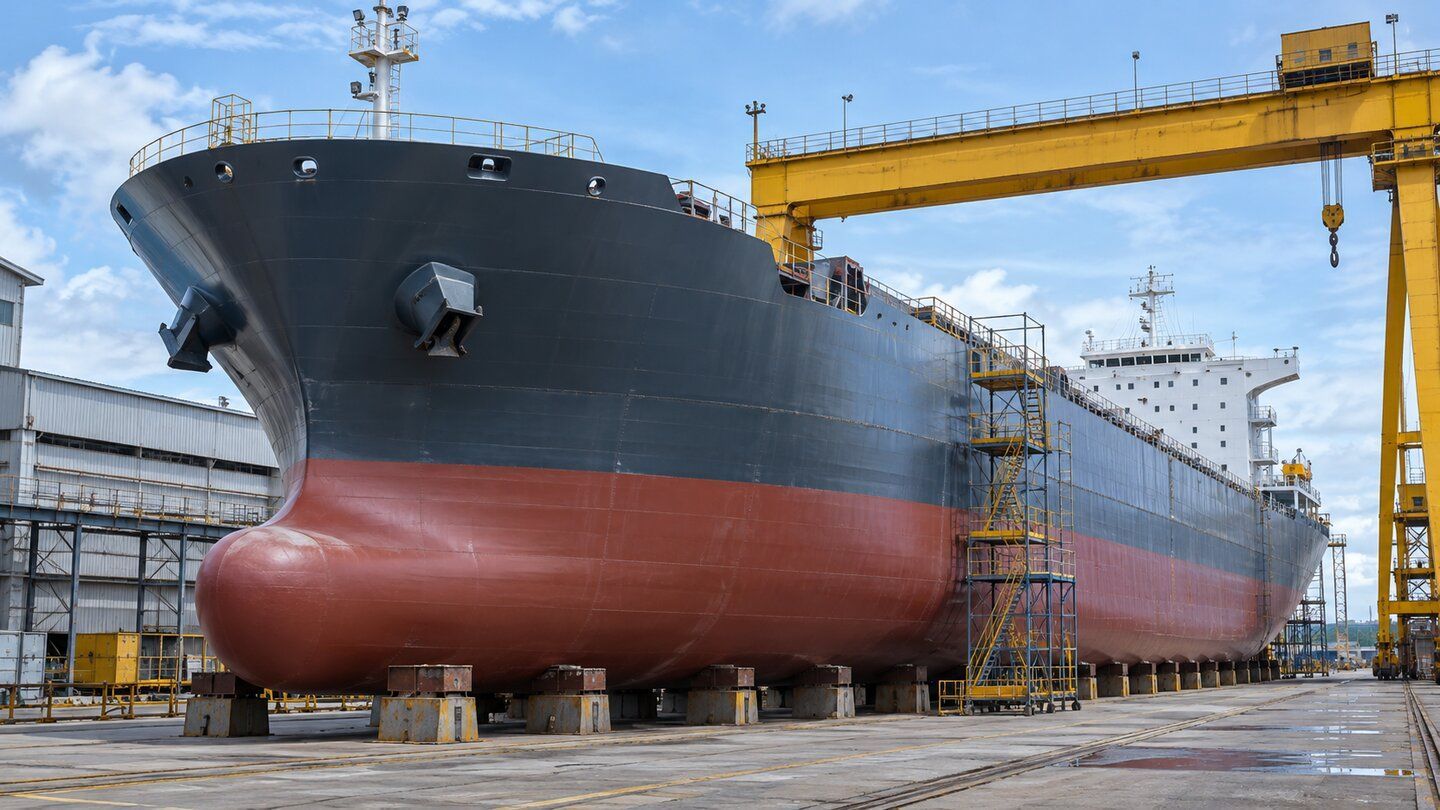
Steel cargo ship in a drydock beside a yellow gantry

Shipbuilding

Hull weld and edge preparation before coating

A new carbon-steel hull block is ready for coating preparation. The shipyard needs to remove spatter and condition specified edges while protecting the accepted weld profile.

Download guide
Read case study Close case study for Shipbuilding

Abrasive selection

Have the inspector release the welds and mark the surfaces that can be worked. Trial a compatible grinding disc for approved stock removal and a flap disc for local blending where the coating specification calls for it. Refer suspected weld defects for inspection. Complete the specified blast cleaning after local preparation when the coating system requires it.

Trial and acceptance

Compare equivalent weld lengths and edge details. Check the finished edges, spatter removal and retained weld geometry against the inspection plan. At coating handover, record the specified surface cleanliness and profile checks, including dust or soluble salts where required.

What to record

Minutes and discs per accepted metre, defects sent for review, and areas accepted at the first coating inspection.

MKTECH weld grinding guide
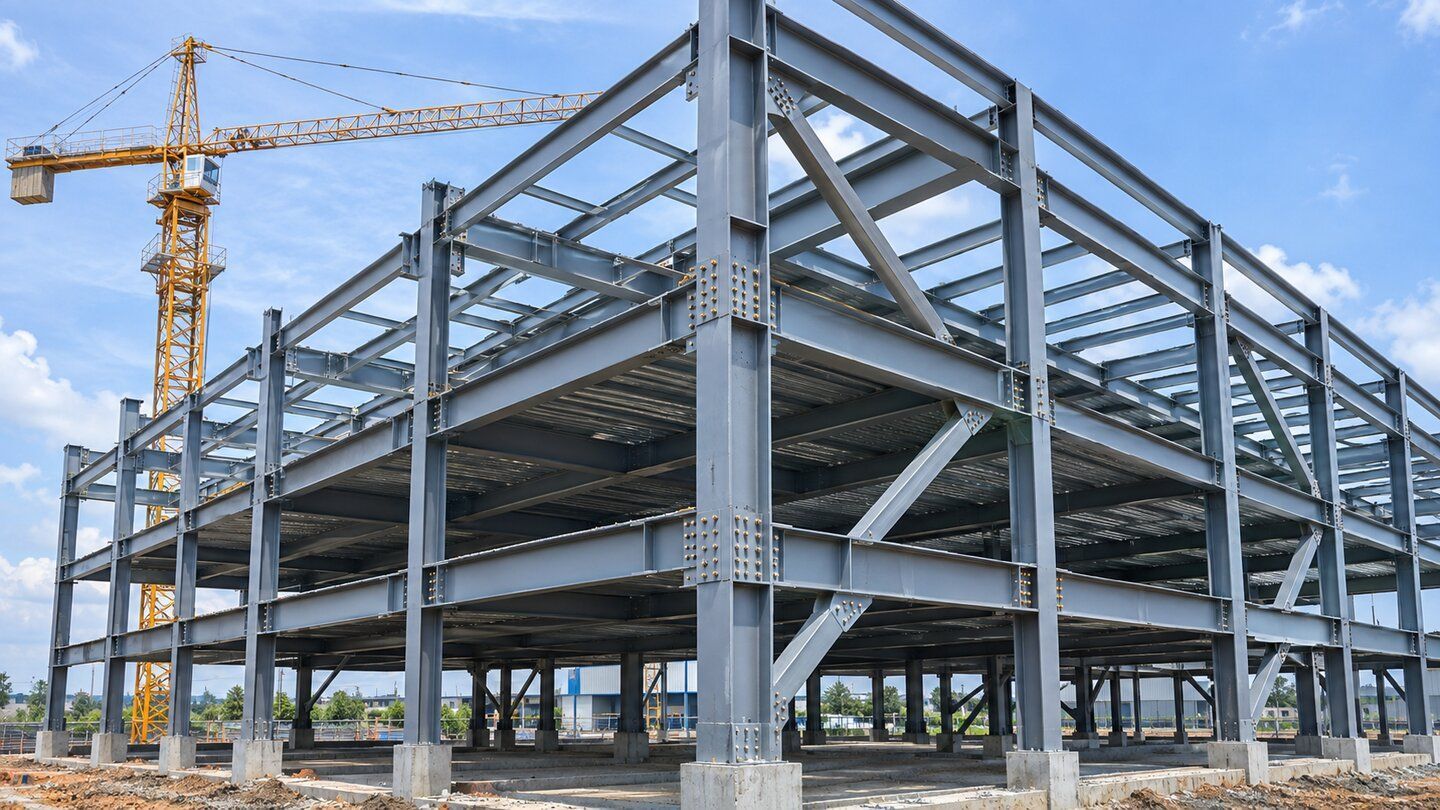
Steel building frame with bolted connections and a tower crane

Engineering & Construction

Structural steel bracket preparation for fit-up

A steelwork team is preparing brackets for a bolted frame. Cut edges and burrs need attention so the parts seat correctly and reach fit-up inspection on schedule.

Download guide
Read case study Close case study for Engineering & Construction

Abrasive selection

Use the approved drawing to identify the cut line, finished dimensions and protected faces. Where the work instruction permits abrasive cutting, use a metal cut-off wheel matched to the machine. Use a separate grinding or flap disc for deburring. Protect the hole pattern and specified connection surfaces. Refer any dimensional discrepancy to the responsible engineer before modifying a connection.

Trial and acceptance

Prepare matched brackets with the current method and the proposed cutting and deburring sequence. Check finished length, squareness, hole condition and fit with the mating part. Have inspection release the bracket before coating or assembly.

What to record

Cutting and deburring time per accepted bracket, abrasive changes and parts returned for fit-up correction.

MKTECH cutting wheel guide
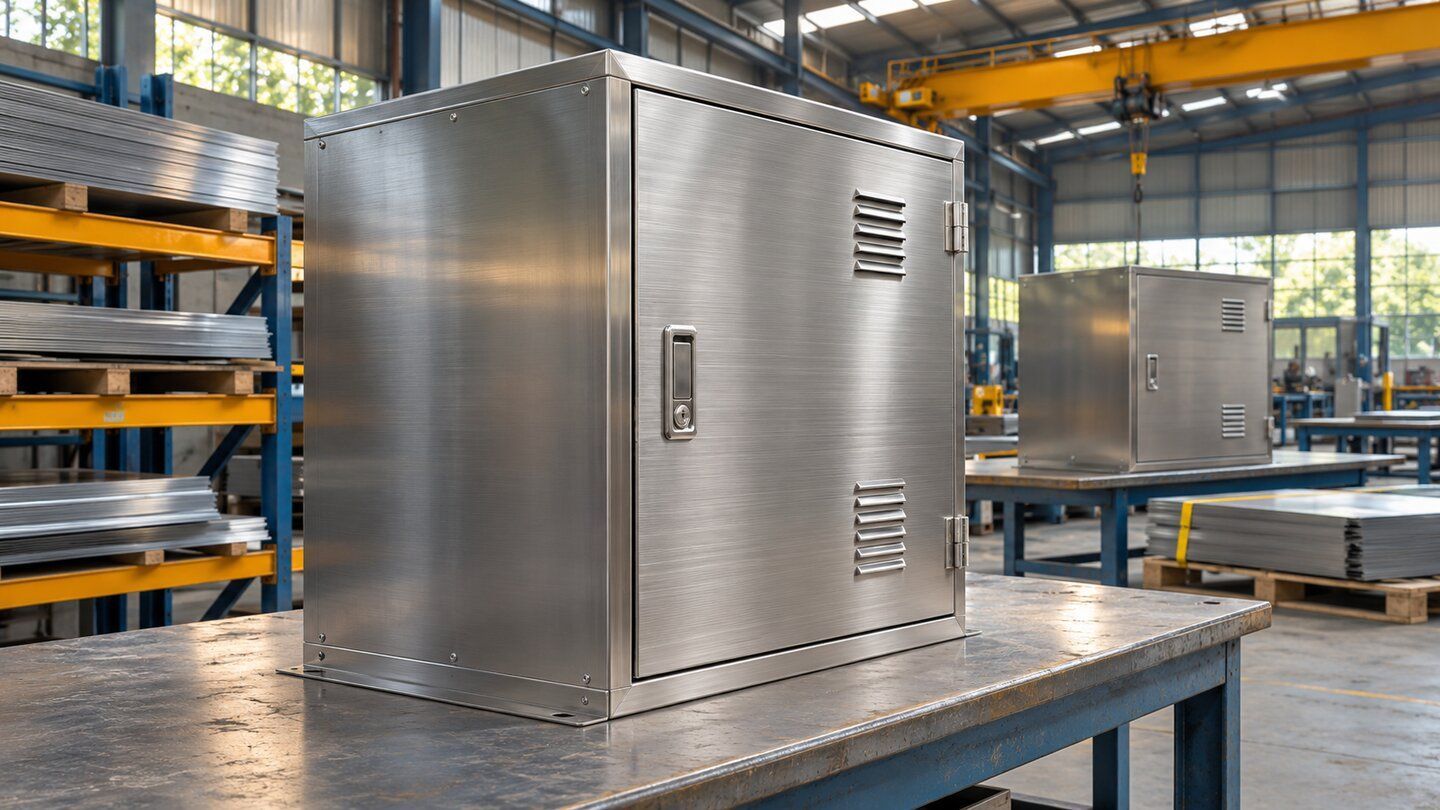
Brushed stainless-steel enclosures in a fabrication workshop

Metal Fabrication

Consistent weld blends on stainless enclosures

A fabrication shop produces brushed stainless enclosures. The weld blend must match the surrounding panel and pass appearance checks after cleaning.
Read Chapter 25: Directional and Brushed Finishes

Download guide
Read case study Close case study for Metal Fabrication

Abrasive selection

Agree on a reference panel, the required grain direction and the permitted weld removal before trialling the finish. Use abrasives approved for stainless steel and keep them dedicated to that material. Trial a flap disc for approved stock removal, then use finer abrasives to remove the previous scratch pattern and match the directional finish.

Trial and acceptance

Use matching panels from the same production batch. Compare the current and candidate sequences using consistent inspection lighting. Check the blend transition, residual scratches, grain direction and panel flatness. Carry out any cleaning or passivation called for in the job specification.

What to record

First-pass acceptance, minutes per panel, and total abrasive and labour cost including rework divided by accepted panels.

MKTECH fabrication trial guide
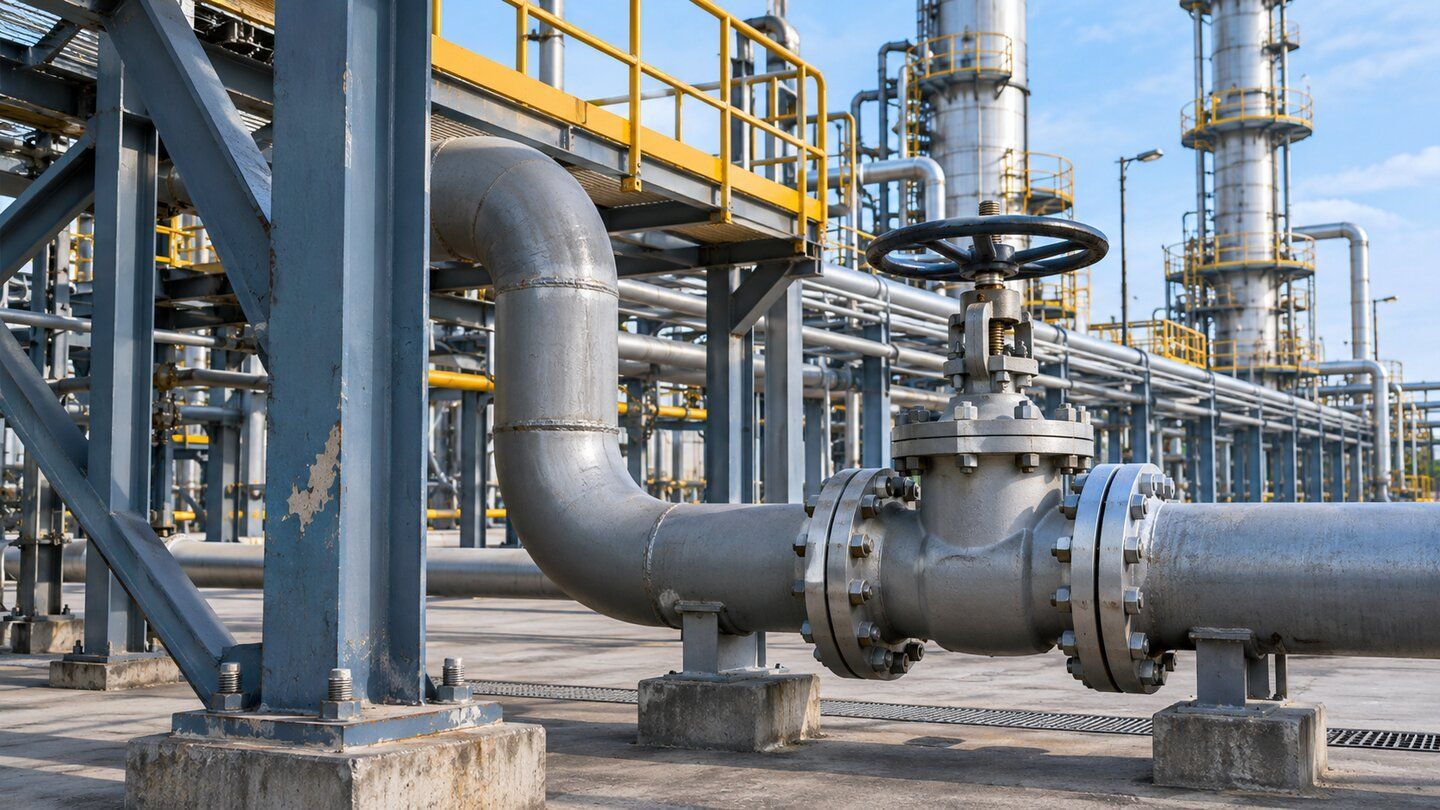
Process plant piping and valve beside a steel support with worn coating

Industrial Maintenance

Local coating repair on plant steel supports

A maintenance crew finds rust and lifting paint on steel supports during a planned shutdown. The repair plan calls for local preparation before recoating.
Read Chapter 27: Surface Preparation for Painting

Download guide
Read case study Close case study for Industrial Maintenance

Abrasive selection

Confirm the substrate, existing coating hazards, repair limits and required preparation grade with site maintenance. Follow the site permit and containment controls. Where power-tool cleaning is approved, trial a coating removal abrasive and a suitable tool for the specified finish. Have maintenance assess suspected section loss before surface work proceeds.

Trial and acceptance

Use representative patches and mark where the repair meets sound coating. Check the prepared area and the feathered transition. Verify surface profile, cleanliness and any required environmental readings at the coating hold point. Record acceptance before handing the area over for recoating.

What to record

Area accepted per labour hour, abrasive consumption and patches needing further preparation before coating release.

AMPP surface preparation reference

Need help selecting an abrasive?

Share your material, machine model, current abrasive and required finish.

Discuss your application

Automotive Surface Finishing Guide

Connect fabrication correction, sanding, local defect repair, cleaning, coating, overspray filtration and final inspection. A visible paint defect may originate several operations earlier.

Plan scratch refinement and blending, investigate contamination, and check booth airflow. Trial proposed abrasives and filters on representative parts using the required finish and acceptance method.

Record abrasive consumption, finishing time, rework, filter life by production volume and pressure or airflow trends. Compare quality and total process cost before approving a change. The full guide provides the workflow and trial checklist.

Unpainted car bodies moving along a yellow automotive assembly conveyor

FILTRATION SYSTEMS.

Dry Overspray Filtration: Evaluating a Water-Curtain Conversion

Assess dry filtration as part of the complete booth airflow system. Define the coating, spray process, overspray load, effective filter area and operating airflow before selecting the medium. Check installation sealing and monitor pressure, airflow and physical condition to identify bypass or excessive loading. Compare maintenance, waste handling and production effects during a controlled site trial. Performance depends on the actual coating duty and system configuration.

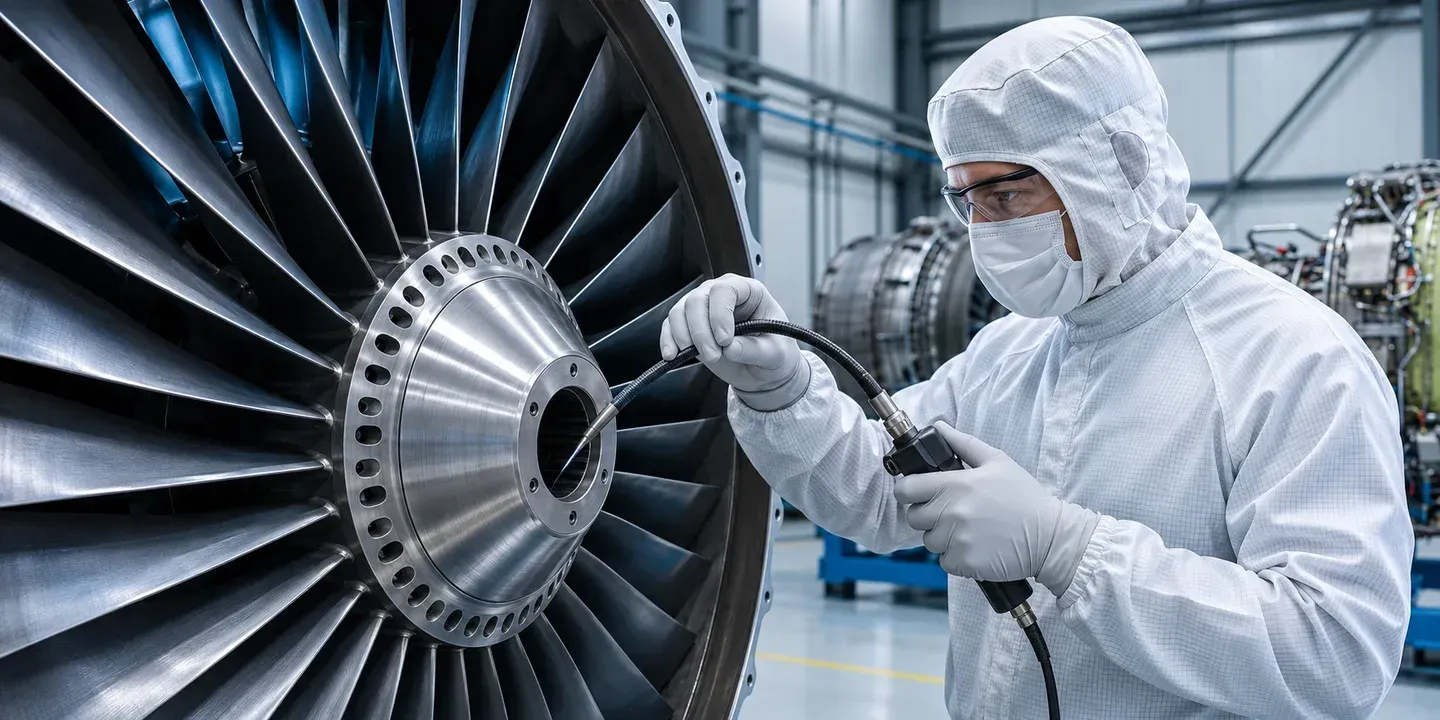
Technician using an inspection probe at a jet engine fan

AEROSPACE MRO.

Aerospace Surface Integrity

Plan abrasive finishing around the required surface condition, protected geometry and inspection method. Excess material removal, heat, contamination, tool wear and process drift can affect the result. Define the repair boundary, maintain a sharp cutting action, separate abrasive stages and use appropriate visual, dimensional and roughness checks. Record the controlled process and verification criteria so changes in tooling or technique can be assessed consistently.

Elevated view of an automated factory with rows of production equipment

PRECISION FINISHING.

Aerospace Precision Surface Finishing

Begin with the feature: airfoil, root, edge or repair zone. Each requires a defined removal boundary and protected geometry. Material behaviour, tooling condition, abrasive progression and operator technique influence heat, contamination and surface consistency. Establish standard work for the tool, machine, contact method and inspection points. Component acceptance remains governed by the applicable approved manufacturing or repair specification.

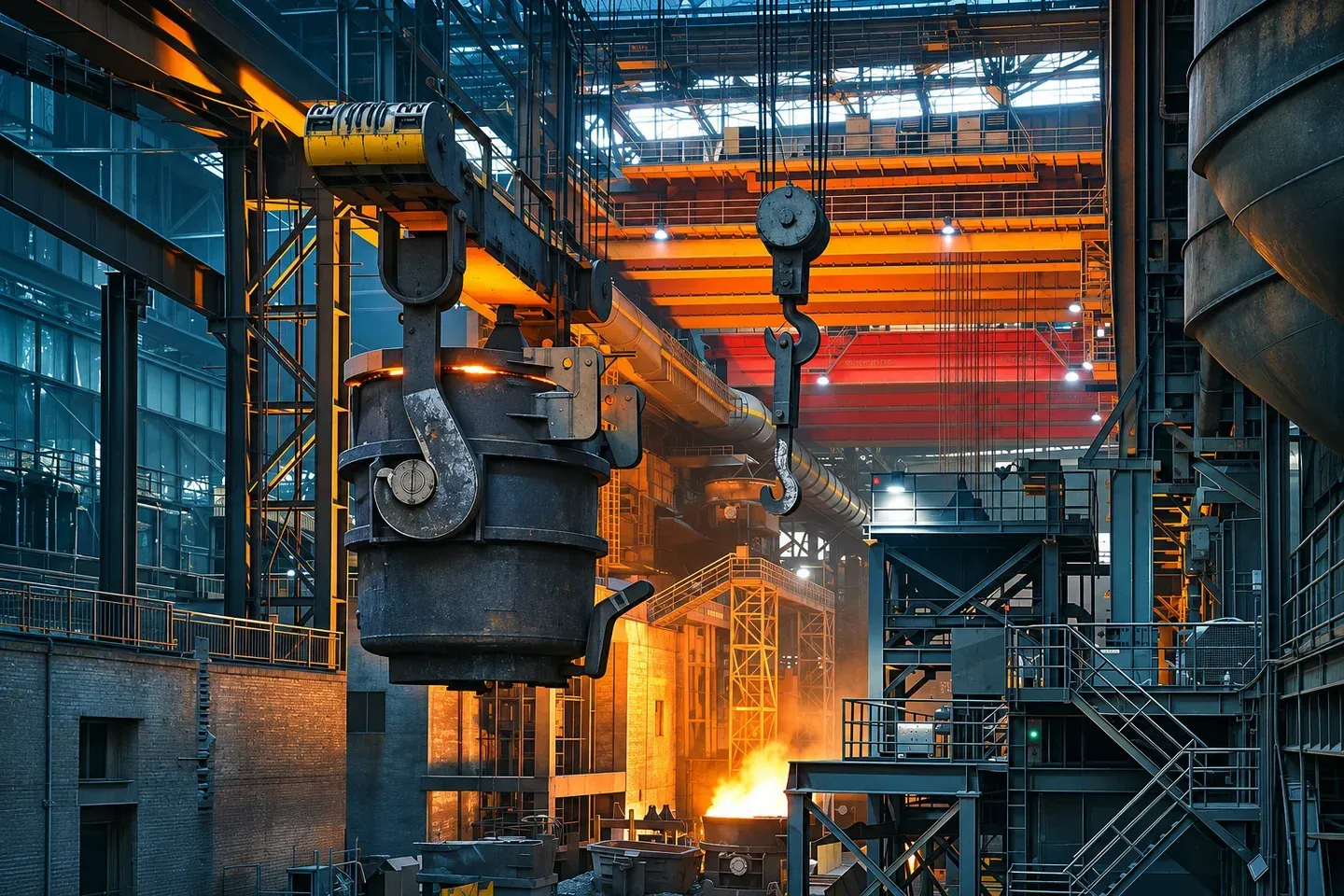
Overhead crane beside a glowing furnace in a metal foundry

HEAVY ENGINEERING.

Heavy Fabrication: Abrasive Performance and Total Cost

Compare abrasives by cost per accepted output. Establish a representative baseline using the same material, weld profile and realistic operator mix. Record disc consumption, grinding time, changeovers, rework and accepted output. A lower disc price can be offset by longer labour time or additional repairs. Use a controlled trial to confirm compatibility, part quality and total process cost before approving a substitution.

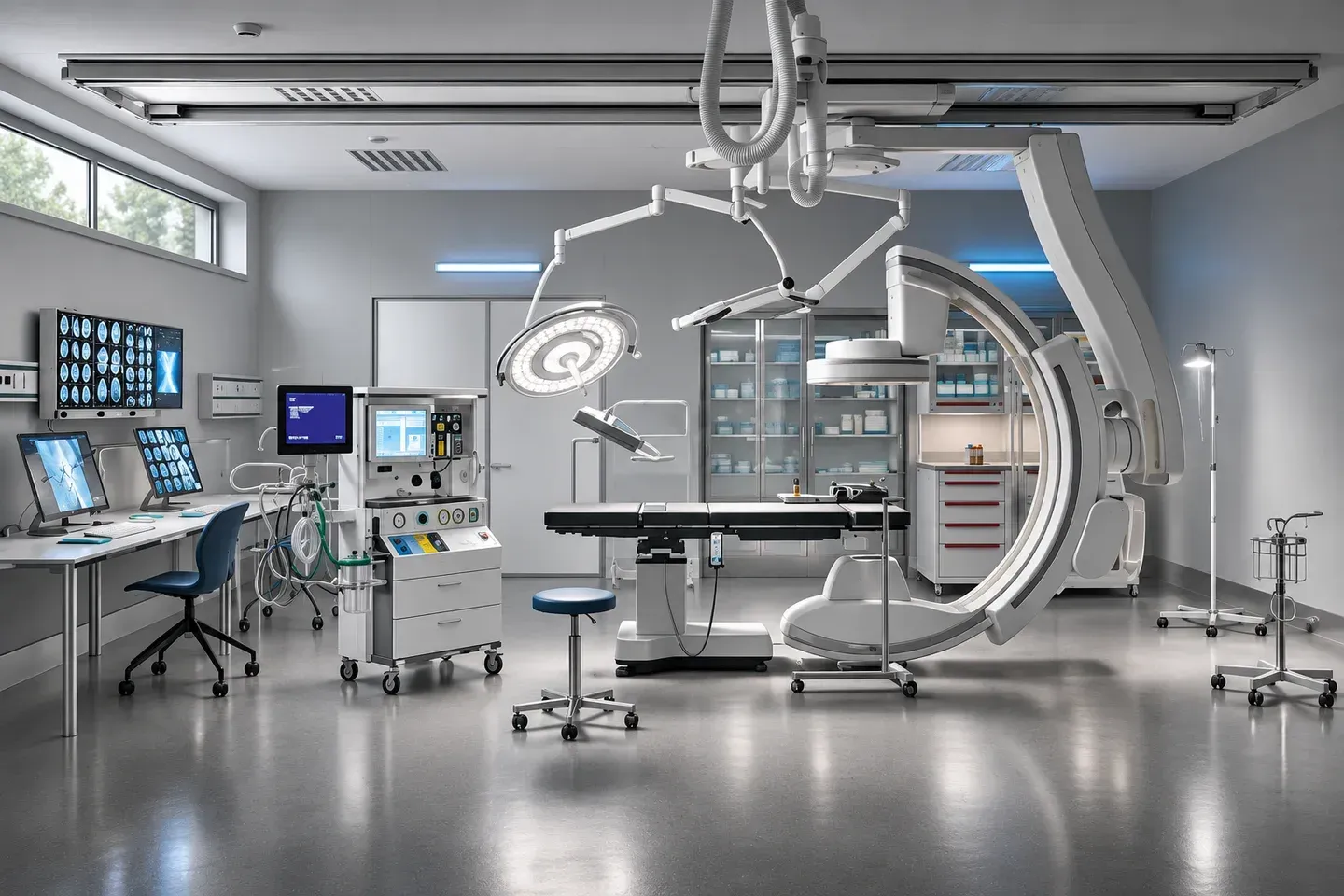
C-arm imaging equipment and an operating table in a medical facility

MEDICAL INDUSTRY.

Precision Surface Finishing for Medical Components

Build the abrasive sequence around the specified geometry, cleanliness and surface acceptance method. Remove previous-stage damage before progressing to finer abrasives, protect edges and form, and keep tooling and work areas clean between stages. Record the component, alloy, tooling sequence and inspection method during controlled trials. Verify the required endpoint through the applicable visual, roughness or magnified inspection process.